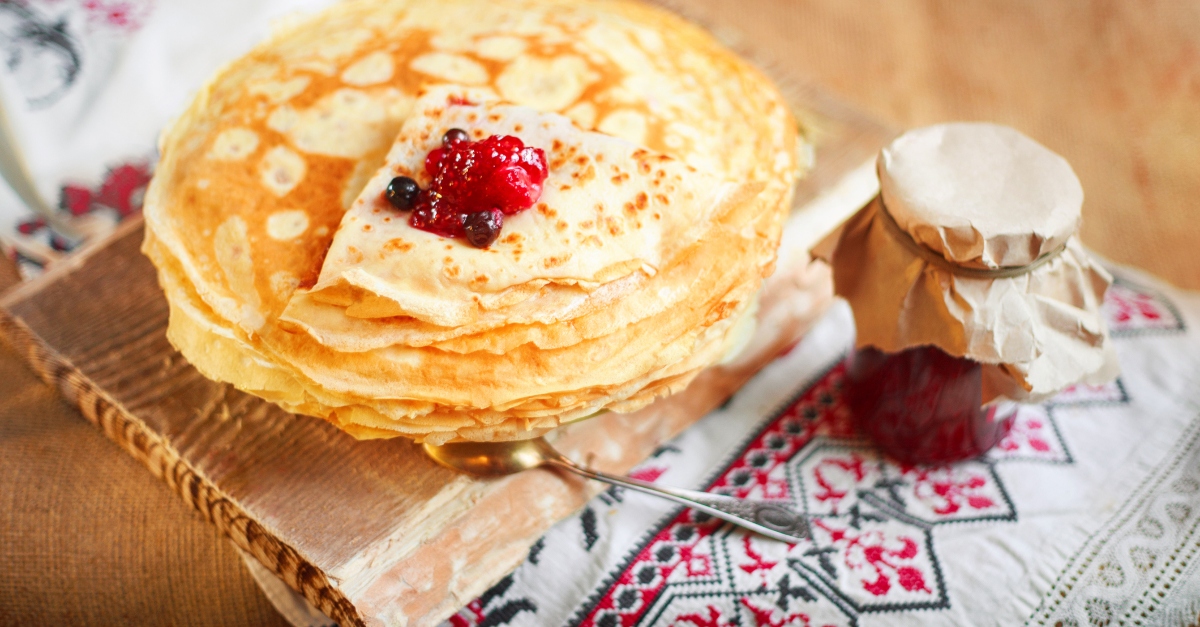
Every year, as winter loosens its grip and spring tentatively peeks through, a familiar question buzzes across the UK: "Is Today Pancake Day?" For many, the answer immediately conjures images of sizzling batter, lemon and sugar, and perhaps even a frantic flip or two. In the United Kingdom, this annual culinary celebration is inextricably linked to Shrove Tuesday, a day steeped in centuries of history, tradition, and, of course, delicious pancakes.
While various dates pop up globally claiming the title of "National Pancake Day" – from IHOP's marketing-driven events to broader American celebrations in September – the UK's Pancake Day holds a unique and unwavering position on the calendar. It’s not just a reason to eat pancakes; it’s a profound link to a pre-Lenten feast, a moment of community, and a quirky display of British eccentricity. If you're pondering whether Is Today Pancake Day? Decoding the Many National Celebrations, for most in the UK, you're asking about Shrove Tuesday.
The Historical Roots of Shrove Tuesday: More Than Just Pancakes
To truly understand UK Pancake Day, we must journey back in time to its origins as Shrove Tuesday. This day marks the traditional feast day immediately preceding Ash Wednesday, which signals the solemn commencement of Lent. Lent, the 40 days leading up to Easter Sunday, has historically been a period of fasting, repentance, and self-denial for Christians.
What is Shrove Tuesday?
The very name "Shrove Tuesday" comes from the Old English word "shrive," meaning to confess one's sins and be absolved. In Anglo-Saxon times, Christians would go to confession on this day, seeking to be "shriven" – purified and absolved – before the period of Lenten fasting began. To call people to confession, a bell would be rung, which subsequently became known as the "Pancake Bell." Remarkably, this tradition of ringing the Pancake Bell persists in some parts of the UK even today, a charming echo from a distant past.
Because Shrove Tuesday is intrinsically linked to Easter, which itself is a movable feast determined by lunar cycles, its date changes every year. It always falls precisely 47 days before Easter Sunday, meaning it can land anywhere between February 3rd and March 9th. So, when someone asks, "Is Today Pancake Day?" the date they're referring to is always this pre-Lenten, historically significant day.
Why Pancakes? A Culinary Tradition Born from Necessity
The culinary custom of eating pancakes on Shrove Tuesday is not merely a delicious coincidence; it's a practical tradition born from the strict dietary rules of Lent. Before the fasting period, which traditionally forbade the consumption of rich foods like eggs, milk, and fat, Shrove Tuesday was the last opportunity to use up these perishable ingredients. Pancakes, made primarily from these very components, offered the perfect solution – a simple, satisfying, and effective way to empty the larder before the lean days of Lent set in.
The ingredients themselves also carry symbolic weight:
- Eggs: Symbolising creation and new life.
- Flour: Representing the staff of life, essential sustenance.
- Salt: For wholesomeness and preservation.
- Milk: Signifying purity.
The Unique Traditions of UK Pancake Day
Beyond the simple act of eating, Shrove Tuesday in the UK has cultivated a rich tapestry of unique customs that celebrate community, fun, and a touch of competitive spirit.
The Iconic Pancake Bell
As mentioned, the "Pancake Bell" originally called people to confession. Over time, its meaning evolved, and it became a signal for people to begin making and enjoying their pancakes. While fewer churches might ring a literal "Pancake Bell" today, the spirit lives on as a symbolic call to prepare for the feast.
Flipping Through Time: The Art of the Pancake Toss
The dramatic act of tossing or flipping a pancake mid-air, a skill many aspire to master (and some disastrously fail), is almost as old as the pancake itself. Historical records dating back to 1619, such as Pasquil's Palin, describe the communal joy: "And every man and maide doe take their turne, And tosse their Pancakes up for feare they burne." This tradition adds an element of playful challenge to the day, turning a simple meal preparation into a mini-spectacle. For the perfect toss, ensure your pan is well-greased, the pancake is cooked on one side, and you use a swift, confident flick of the wrist!
Pancake Races: A Quintessentially British Spectacle
Perhaps the most endearing and uniquely British tradition associated with Shrove Tuesday is the pancake race. These events see participants, often in fancy dress, racing down streets while holding a frying pan containing a cooked pancake, which they must toss multiple times during the race. The goal is not just speed, but also dexterity and a sense of humour.
The most renowned pancake race takes place in Olney, Buckinghamshire, steeped in a legend from 1445. The story goes that a woman, hearing the shriving bell while making pancakes, rushed to the church, still apron-clad and clutching her frying pan. Today, the Olney race is world-famous, with local housewives competing, adhering to a strict dress code of apron and head covering, and tossing their pancake three times. The winner is the first to complete the course, arrive at the church, serve her pancake to the bell-ringer, and receive a celebratory kiss.
Another quirky tradition is Westminster School’s annual "Pancake Grease," where a verger throws a large pancake into a scramble of pupils who then compete to grab a piece, with prizes awarded for the largest fragments. These races and events underscore the community spirit and lighthearted joy that characterize UK Pancake Day.
Decoding "Is Today Pancake Day?" Navigating Global Celebrations
The question, "Is Today Pancake Day?", often brings a swirl of confusion, especially with the rise of various global and commercial "National Pancake Day" celebrations. As we’ve explored, the UK's Pancake Day is rooted in Shrove Tuesday, a date that shifts annually. However, across the Atlantic, other observances add to the mix.
For instance, IHOP (International House of Pancakes) famously holds its own National Pancake Day, a marketing initiative that sometimes occurs twice a year, often in March. There’s also a general "National Pancake Day" in the US typically observed in September. Some sources even cite an "International Pancake Day" on different dates.
This multiplicity of dates can be bewildering. When confronted with different answers like February 28th, September 26th, or March 5th, it’s important to clarify the context. While it's true that any day can be a pancake day if you're willing to whip up a batch, the traditional and historically significant UK Pancake Day is always Shrove Tuesday. It's distinct from commercial promotions or other national observances, focusing instead on its centuries-old religious and communal roots. For a deeper dive into these different celebrations, read our article: IHOP vs. Shrove Tuesday: Navigating the Multiple Pancake Days.
Your Guide to a Perfect UK Pancake Day
Ready to embrace the tradition? Here’s how you can make your Shrove Tuesday truly memorable.
Traditional English Pancakes: Ingredients and Method
Unlike their thicker American counterparts, traditional English pancakes are thin, delicate, and often served immediately. They’re incredibly easy to make:
Ingredients for 8 Pancakes:
- 8oz (225g) plain flour
- 2 large eggs
- 1 pint (568ml) milk
- Pinch of salt
- A little oil or butter for frying
Method:
- Mix the Batter: In a large bowl, whisk together the flour and salt. In a separate jug, beat the eggs and milk. Gradually add the wet ingredients to the dry, whisking continuously until you have a smooth batter. For best results, let the batter stand for at least 30 minutes (or even an hour) to allow the flour to fully absorb the liquid, resulting in a more tender pancake.
- Heat the Pan: Heat a little oil or butter in a frying pan over medium-high heat. A non-stick pan is your best friend here.
- Cook and Flip: Pour just enough batter into the hot pan to thinly cover the base, swirling it around. Cook for 1-2 minutes until the edges are golden and the base is browned. Then, using a spatula or with a confident flick of the wrist, flip the pancake to cook the other side for another minute.
- Serve Immediately: English pancakes are best enjoyed fresh from the pan.
Beyond Lemon & Sugar: Topping Inspiration
While the classic combination of lemon juice and caster sugar remains supreme for many, don't be afraid to experiment!
- Golden Syrup: A beloved traditional choice, offering a rich, sweet stickiness.
- Nutella & Banana: A popular modern indulgence.
- Fresh Berries & Cream: Light, refreshing, and delicious.
- Savoury Options: Why not try cheese and ham, smoked salmon and cream cheese, or even spinach and feta for a delightful twist?
Embracing the Spirit: Get Involved!
Whether you're participating in a local pancake race, organizing a flipping competition at home, or simply enjoying a mountain of pancakes with loved ones, Shrove Tuesday is a wonderful opportunity to connect with a cherished tradition. Many schools and community groups host their own smaller pancake events, fostering a sense of fun and togetherness.
So, the next time you find yourself wondering, "Is Today Pancake Day?" remember that in the UK, it’s more than just a date; it’s a living piece of history, a delicious custom, and a joyous prelude to the changing seasons. Embrace the tradition, perfect your flip, and savour every bite!